Signs of a Confident Child: What to Look For
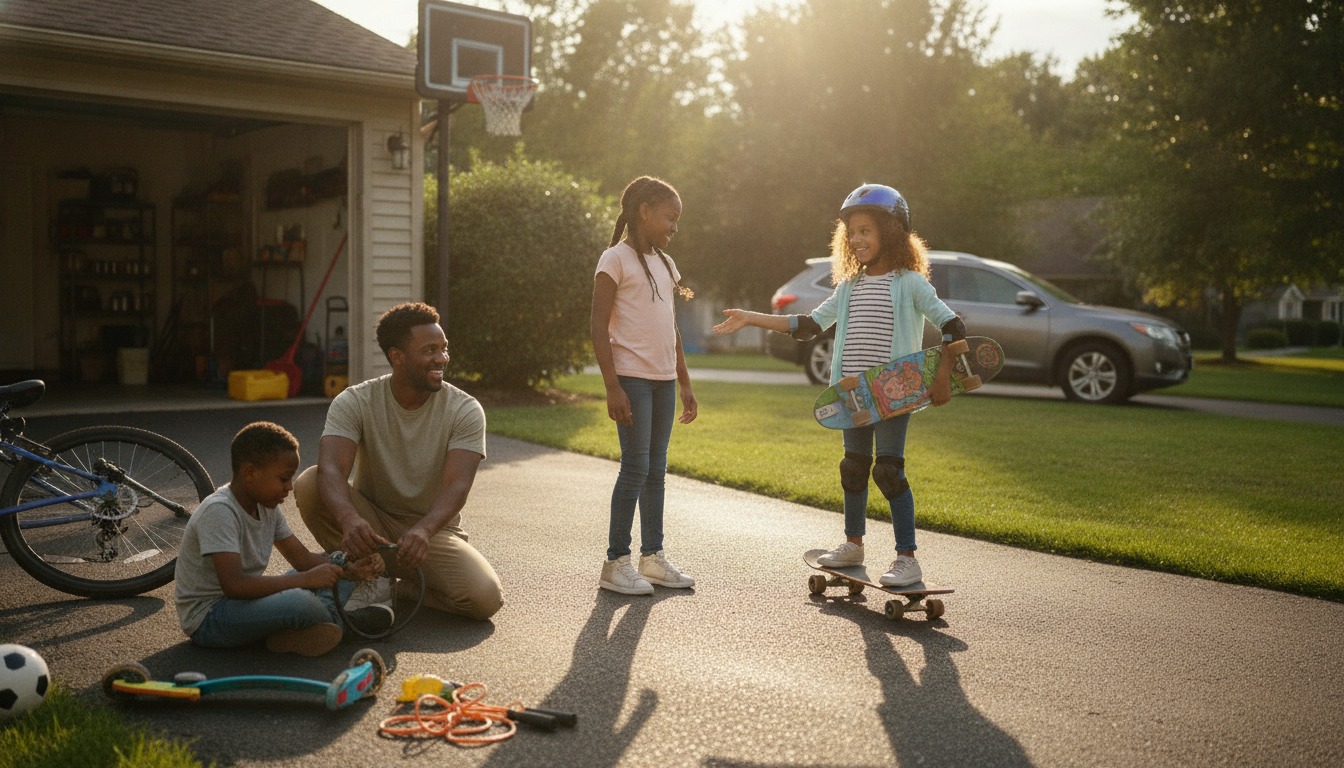
What does a confident child look like?
A confident child doesn’t look “perfect” or fearless. Confidence usually shows up as a steady comfort with who they are, even when they’re still learning, making mistakes, or feeling nervous. You’ll often notice it most in everyday moments—how they speak up, handle setbacks, and connect with others.
They try things without needing constant reassurance
Confident kids are more willing to attempt a new game, join a group activity, or start a project without needing repeated approval. They might still ask questions, but they don’t shut down the second something feels unfamiliar.
They can handle mistakes and bounce back
Instead of melting down over being wrong, a confident child is more likely to say, “Oops,” and keep going. They may feel disappointed, but they recover faster and can accept feedback without seeing it as a personal attack.
They communicate clearly and assertively
Confidence often looks like direct communication: making eye contact, using an age-appropriate steady voice, and expressing needs respectfully. They can say “no” to something that makes them uncomfortable and can also ask for help without embarrassment.
They show healthy independence
You may see them take initiative—packing their backpack, choosing clothes, starting homework, or solving small problems on their own. Confident children tend to enjoy autonomy while still staying connected to trusted adults.
They’re comfortable being themselves with others
A confident child may not be the loudest in the room. Some are quiet and observant, but they still participate in ways that fit their personality. They can join in, take turns, and treat others with respect without constantly changing themselves to fit in.
For more detailed signs and supportive ideas, visit the main guide here: https://stunninggemstudio.shop/what-does-a-confident-child-look-like/.
FAQ
How can parents build confidence without creating pressure?
Focus on effort and progress, give specific praise (“You kept trying”), and let kids make age-appropriate choices. Keep expectations clear but flexible, and treat mistakes as normal parts of learning.










Leave a comment